

Metabolic optimization is defined as the systematic process of improving your body's ability to produce, regulate, and use energy efficiently across all physiological systems. The clinical term for this practice is metabolic health optimization, and it covers everything from blood glucose regulation and insulin sensitivity to mitochondrial function and body composition. 93% of U.S. adults have at least one marker of metabolic dysfunction, which means the vast majority of people are operating below their metabolic potential without knowing it. That statistic reframes metabolic optimization not as a performance luxury but as a baseline health necessity.
What is metabolic optimization and why does it matter?
Metabolic optimization is the practice of systematically improving how your body converts food into energy, regulates blood sugar, manages fat storage, and maintains hormonal balance. Metabolic health involves efficient energy processing from food while maintaining optimal blood sugar, lipid levels, and healthy body fat distribution without relying on medication. When these systems work well together, you experience stable energy, better cognitive clarity, easier weight management, and reduced risk of chronic disease.
The stakes are not abstract. 90% of healthcare spending is driven by chronic metabolic disease, which means poor metabolic function is the single largest driver of preventable illness in the country. Improving your metabolic health is not just about feeling better today. It is one of the highest-leverage investments you can make in your long-term vitality and independence.

What are the core components of metabolic optimization?
Metabolic optimization rests on five interconnected pillars. Understanding each one gives you a map for where to focus your effort.
- Metabolic flexibility: The ability to switch efficiently between burning glucose and fat as fuel. A metabolically inflexible person struggles to access stored fat and experiences energy crashes between meals. Improving flexibility is one of the most reliable signs of genuine metabolic progress.
- Key biomarkers: Fasting glucose, fasting insulin, HOMA-IR (a calculated measure of insulin resistance), HbA1c, triglycerides, HDL cholesterol, and inflammatory markers like hsCRP. Tracking these over time tells you far more than any single snapshot.
- Muscle mass and mitochondrial health: Skeletal muscle is the primary site of glucose disposal in the body. More muscle means better insulin sensitivity. Mitochondrial density, built through consistent exercise, determines how efficiently cells convert nutrients into usable energy.
- Lifestyle inputs: Nutrition quality, exercise type and frequency, sleep duration and consistency, and stress load all directly alter metabolic function. No supplement or technology replaces these foundations.
- Hormonal environment: Cortisol, insulin, thyroid hormones, and sex hormones all interact with metabolic rate and fat storage. Addressing hormonal imbalances is often the missing piece for people who have optimized diet and exercise but still plateau.
Pro Tip: Before changing anything, get a baseline fasting insulin test alongside your standard glucose panel. Most physicians only order glucose and HbA1c, but fasting insulin reveals insulin resistance years before glucose becomes abnormal.
How do continuous glucose monitoring and metabolic tracking technologies work?
Continuous glucose monitors (CGMs) like Dexterity and Levels provide real-time blood sugar data every few minutes, giving you immediate biofeedback on how specific foods, workouts, sleep quality, and stress events affect your glucose. This is a qualitative leap beyond a single fasting glucose reading taken once a year at a physical. You can see, for example, that white rice spikes your glucose to 160 mg/dL while the same caloric portion of lentils keeps you flat.
The clinical results from CGM-guided interventions are striking. 84% of members using continuous glucose monitoring alongside lifestyle adjustments showed significant fasting glucose improvements, with most experiencing reductions of at least 30 mg/dL. That kind of improvement, achieved without medication, demonstrates what real-time data does for behavior change. When you can see the consequence of a choice within 30 minutes, you make different choices.
| Tracking Tool | What It Measures | Best Use Case |
|---|---|---|
| Continuous glucose monitor (CGM) | Real-time blood glucose trends | Identifying food and lifestyle triggers |
| Fasting insulin + HOMA-IR lab | Insulin resistance severity | Baseline and quarterly progress tracking |
| HbA1c | 3-month average blood glucose | Long-term glycemic trend monitoring |
| Lipid panel with ratios | Cardiovascular metabolic risk | Annual or semi-annual assessment |
| hsCRP | Systemic inflammation level | Detecting hidden metabolic stress |
AI-powered documentation tools now automate the synthesis of these complex data streams, reducing physician burnout while improving the quality of metabolic care. For patients, this means your clinician can track your HOMA-IR trajectory, glucose variability, and inflammatory markers across months without losing the thread between appointments.
Pro Tip: Pair your CGM data with a sleep tracker like Oura Ring or WHOOP. Sleep deprivation is one of the fastest ways to spike glucose variability, and seeing both datasets together reveals patterns that neither tool shows alone.
What lifestyle interventions effectively optimize metabolism?
The research on metabolic health converges on four intervention categories. Each one is independently effective, and they compound when combined.
-
Nutrition architecture. Prioritize whole foods with adequate protein (0.7 to 1.0 grams per pound of body weight), high fiber intake, and healthy fats from sources like olive oil, avocado, and fatty fish. Time-restricted eating and minimizing ultra-processed carbs improve insulin sensitivity and metabolic flexibility more reliably than calorie restriction alone. The goal is not to eliminate carbohydrates but to choose carbohydrates that produce a measured glucose response. A personalized nutrition plan built around your specific biomarkers and food responses outperforms any generic diet template.
-
Exercise protocol. Resistance training, zone 2 cardio, and HIIT together improve insulin sensitivity, mitochondrial health, and muscle mass. Zone 2 cardio, defined as sustained aerobic effort at roughly 60 to 70% of maximum heart rate, is particularly effective for building mitochondrial density. Resistance training two to four times per week increases the glucose-absorbing capacity of muscle tissue. HIIT sessions once or twice weekly drive acute insulin sensitivity improvements that last 24 to 48 hours.
-
Sleep optimization. Sleep deprivation increases temporary insulin resistance, and the recommended window of 7 to 9 hours of quality sleep is not negotiable for metabolic health. A consistent sleep schedule, meaning the same bedtime and wake time seven days a week, supports the hormonal rhythms that regulate glucose metabolism overnight.
-
Stress management. Chronic stress elevates cortisol, which raises blood sugar and drives fat storage, particularly around the abdomen. Practices like breathwork, meditation, and deliberate recovery periods are not wellness extras. They are direct metabolic interventions. Supplements like magnesium glycinate and berberine have supporting evidence for improving insulin sensitivity, but they work best as additions to a solid lifestyle foundation, not replacements for one.
Pro Tip: Cold exposure through cold showers or ice baths activates brown adipose tissue, which burns glucose and fat to generate heat. Even two to three minutes of cold water at the end of a shower, three times per week, produces measurable improvements in glucose regulation over time.
How to assess your metabolic health and track optimization progress?
Most standard annual physicals miss the full picture of metabolic health. A glucose reading within normal range does not rule out insulin resistance, which can be present for a decade before glucose becomes abnormal. A structured full metabolic panel including fasting insulin, lipid ratios, and inflammatory markers provides a far clearer picture than glucose alone.
The most common assessment gaps include:
- Ordering HbA1c without fasting insulin, which misses early insulin resistance
- Ignoring triglyceride-to-HDL ratio, one of the strongest predictors of insulin resistance
- Skipping hsCRP, which reveals metabolic inflammation even when glucose looks normal
- Failing to track body composition changes alongside weight, since muscle gain and fat loss can cancel each other out on a scale
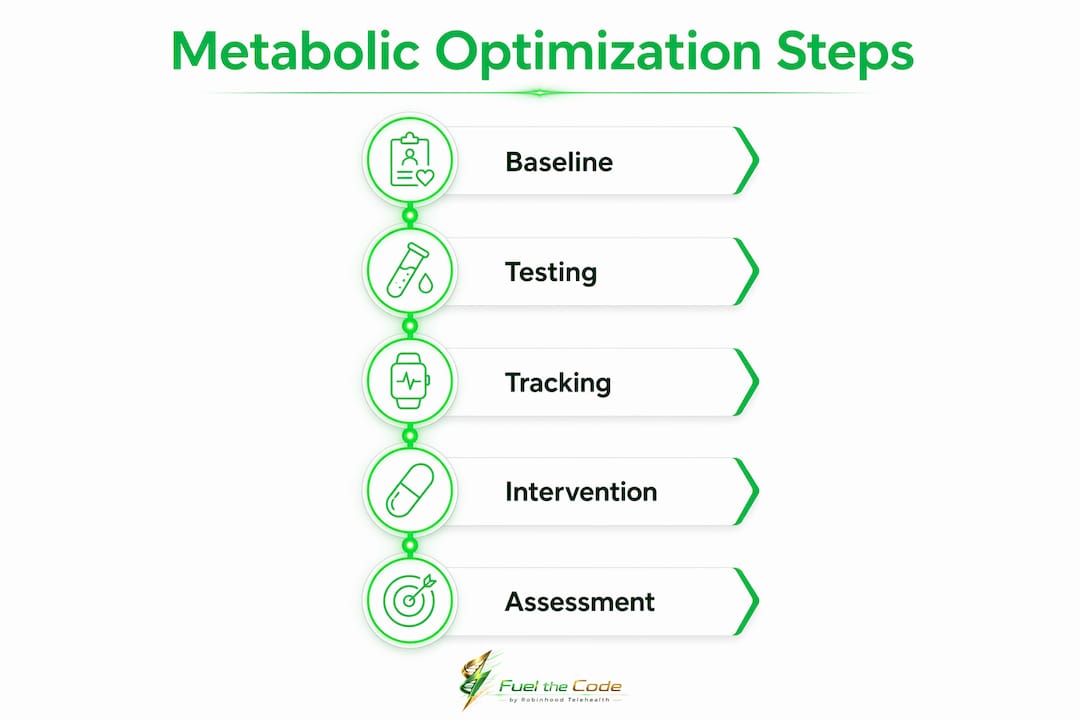
Longitudinal tracking is where the real value lives. Automated visualization of metabolic markers over time allows both clinicians and patients to see genuine progress. One documented example shows HOMA-IR declining from 4.5 to 1.9 over six months through consistent lifestyle intervention, a change that represents a dramatic reduction in insulin resistance risk. Without tracking, that progress is invisible. You can explore methylation testing as an additional layer of metabolic assessment, since epigenetic markers reveal how your environment and behaviors are influencing gene expression related to metabolic function.
Key takeaways
Metabolic optimization requires consistent tracking of biomarkers, structured lifestyle interventions, and real-time data tools to produce measurable, lasting improvements in energy and metabolic health.
| Point | Details |
|---|---|
| Define your baseline first | Order fasting insulin, HOMA-IR, lipid ratios, and hsCRP before making any changes. |
| Metabolic flexibility is the goal | Train your body to switch between glucose and fat fuel through diet timing and zone 2 cardio. |
| CGM data changes behavior | Real-time glucose feedback produces faster and more durable lifestyle changes than lab results alone. |
| Sleep and stress are non-negotiable | Seven to nine hours of sleep and active stress management directly alter insulin sensitivity. |
| Track longitudinally, not episodically | A single test tells you where you are. Monthly tracking tells you whether your protocol is working. |
Why real-time data changed how I think about metabolic health
I spent years advising people to "eat better and exercise more" and watching them make modest improvements that plateaued within months. The shift came when I started seeing what continuous glucose monitoring and comprehensive lab panels actually revealed. People who thought they were eating healthy were spiking to 180 mg/dL after their morning oatmeal. People who felt fine had HOMA-IR scores above 3.5, indicating significant insulin resistance that would not show up on a standard glucose test for years.
The uncomfortable truth about metabolic health is that subjective feeling is a poor proxy for metabolic function. You can feel energetic and still have a triglyceride-to-HDL ratio that signals serious metabolic risk. The data does not lie, and it does not care about your intentions.
What I have found works is treating metabolic optimization as an ongoing health improvement workflow rather than a destination. The people who make the most progress are not the ones who follow the strictest diet. They are the ones who track consistently, adjust based on data, and build systems that make healthy defaults easier than unhealthy ones. Patience is not optional here. HOMA-IR improvements take months, not weeks. But the trajectory, once established, tends to hold.
The integration of technology with personalized protocols is where precision wellness is heading, and it is already accessible to anyone willing to invest in the right tools and guidance.
— G
Take your metabolic health further with Robinhoodtelehealth

Robinhoodtelehealth combines DNA-based fitness testing, methylation analysis, and clinician-guided peptide protocols into a single precision wellness platform built for people who want more than generic health advice. Your genetic profile shapes how you respond to nutrition, exercise, and recovery strategies, and Robinhoodtelehealth translates that data into a personalized metabolic health plan you can actually follow. From AI-driven meal planning to telehealth consultations with licensed practitioners, every service is designed to move your biomarkers in the right direction. Book a free consultation to start building your personalized metabolic optimization protocol today.
FAQ
What is metabolic optimization in simple terms?
Metabolic optimization is the process of improving how efficiently your body converts food into energy, regulates blood sugar, and manages fat storage. It involves tracking key biomarkers and making targeted lifestyle changes to reduce insulin resistance and improve overall metabolic function.
What biomarkers should I test for metabolic health?
A complete metabolic assessment includes fasting glucose, fasting insulin, HOMA-IR, HbA1c, triglycerides, HDL cholesterol, and hsCRP. Fasting insulin is the most commonly overlooked marker and reveals insulin resistance years before glucose becomes abnormal.
How long does metabolic optimization take to show results?
Glucose variability and fasting glucose can improve within two to four weeks of consistent lifestyle changes. Deeper markers like HOMA-IR and HbA1c typically require three to six months of sustained effort to show meaningful change.
Does a continuous glucose monitor help with metabolic optimization?
Yes. CGM data provides real-time feedback on how food, exercise, sleep, and stress affect blood sugar, which accelerates behavior change. Clinical data shows 84% of CGM users achieved significant fasting glucose reductions through feedback-guided lifestyle adjustments.
What is the difference between metabolic health and metabolic optimization?
Metabolic health describes the current state of your metabolic function across key biomarkers. Metabolic optimization is the active, ongoing process of improving that state through targeted nutrition, exercise, sleep, stress management, and data-driven tracking.