

Supplements for recovery are defined as targeted nutritional compounds used to support the body's repair processes after exercise or injury, not to replace the foundational habits that drive actual healing. The role of supplements in recovery is to complement what good nutrition, hydration, sleep, and training management already do. Creatine, CoQ10, vitamin C, and Montmorency tart cherry are among the compounds with the strongest 2026 evidence behind them. But none of them work in a vacuum. Understanding where supplements fit, and where they don't, is what separates smart recovery from expensive guesswork.
What foundational recovery practices should precede supplement use?
Michigan State University's Nicholas Mortensen states it plainly: supplements are secondary to nutrition, hydration, training, and sleep. That hierarchy matters because supplements cannot compensate for deficits in the basics. If your sleep is poor and your protein intake is inconsistent, adding creatine or tart cherry extract will produce marginal results at best.
The foundational practices that must come first are not complicated, but they require consistency:
- Nutrition: Prioritize adequate protein (1.6 to 2.2 grams per kilogram of body weight daily for active individuals) and micronutrient-dense whole foods. Lean meats, legumes, leafy greens, and whole grains cover most recovery nutrient needs before any supplement is considered.
- Hydration: Urine color is a reliable field gauge. Pale yellow indicates adequate hydration; dark amber signals a deficit. Dehydration impairs muscle protein synthesis and slows tissue repair.
- Sleep: 7 to 9 hours of sleep per night is the evidence-backed range for recovery. A consistent bedtime and limiting screen exposure in the hour before sleep measurably improve sleep quality.
- Training load management: Progressive overload with planned deload weeks prevents the cumulative tissue damage that no supplement stack can reverse. Recovery is built into the program, not bolted on afterward.
The phrase "food first, supplements second" is not a platitude. It reflects the physiological reality that whole foods deliver cofactors, fiber, and phytonutrients that isolated supplements cannot replicate.
Pro Tip: Before purchasing any supplement, spend two weeks tracking your protein intake and sleep duration. Most people discover the gap is in the basics, not in their supplement stack.
Which supplements have the strongest evidence for muscle recovery?
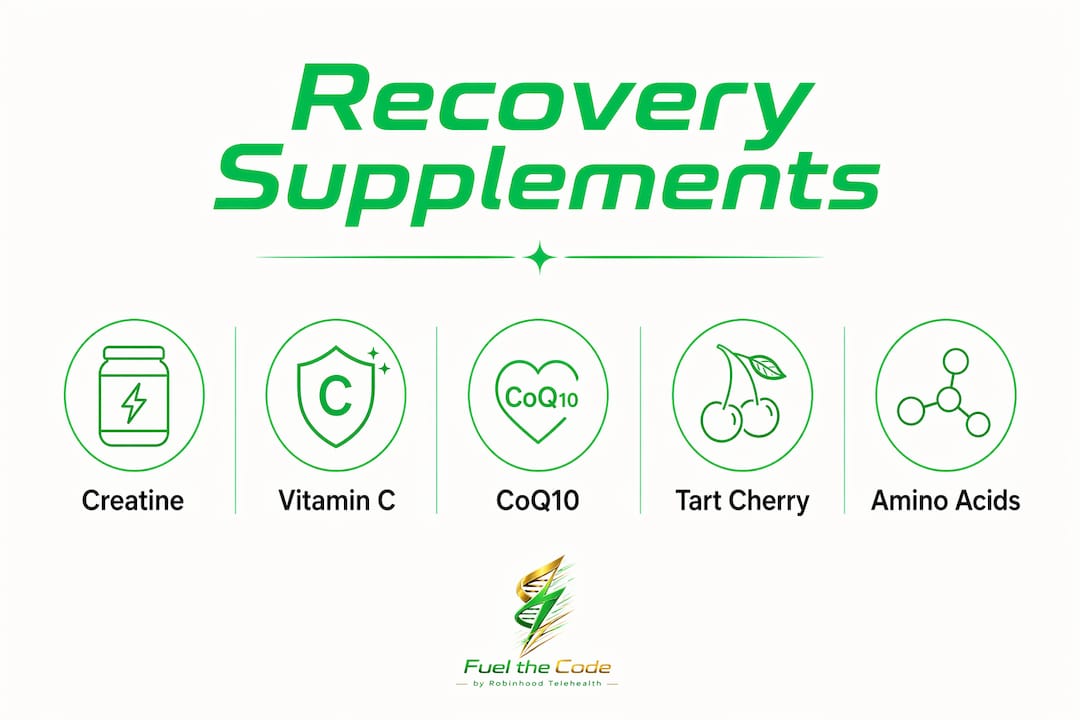
The best supplements for recovery are those with peer-reviewed, replicated evidence behind specific outcomes. The 2026 research pool narrows the field considerably. Four compounds stand out: creatine, vitamin C, CoQ10, and Montmorency tart cherry.
Creatine
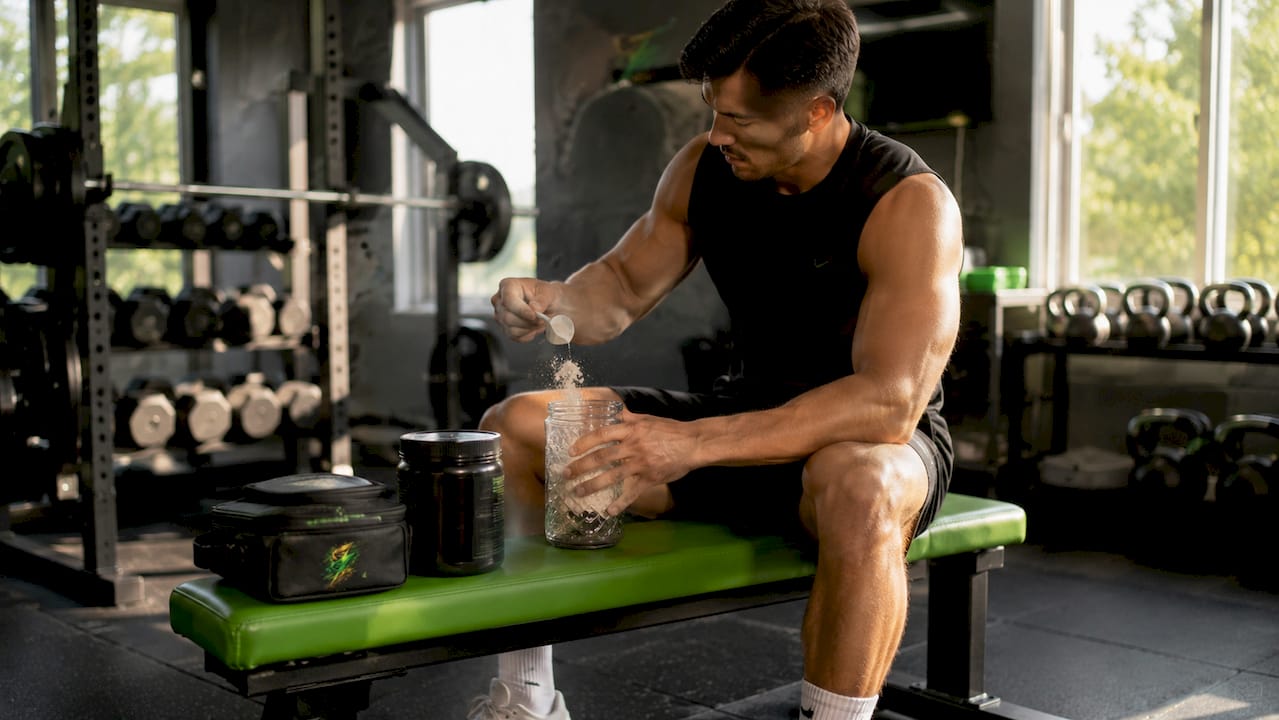
Creatine at 6 grams per day reduces fatigue and increases peripheral muscle strength, with a 2026 randomized controlled trial confirming these benefits even in post-COVID-19 recovery patients. This matters beyond the clinical context. Creatine replenishes phosphocreatine stores in muscle, accelerating ATP regeneration between high-intensity efforts. For anyone recovering from injury-related deconditioning or returning to training after illness, creatine is one of the most studied and cost-effective tools available.
Vitamin C
Vitamin C reduces oxidative stress and muscle soreness after intense exercise. It also modulates cortisol, which spikes after hard training and can suppress immune function if chronically elevated. The catch: high-dose vitamin C supplementation may blunt training adaptations by interfering with the reactive oxygen species that signal muscle growth. This means more is not better. Correcting a deficiency is beneficial; megadosing is counterproductive.
CoQ10
A 2026 randomized crossover study found that CoQ10 post-workout reduces biomarkers of muscle damage, decreases delayed onset muscle soreness (DOMS), and improves exercise volume and power output in normal-weight individuals. The dosing window matters here. Benefits were observed when CoQ10 was taken within 10 minutes of finishing exercise. CoQ10 is a mitochondrial cofactor, meaning it supports the energy production machinery inside muscle cells rather than acting as a simple anti-inflammatory.
Montmorency tart cherry
The antioxidant and anti-inflammatory phytochemicals in Montmorency tart cherry, particularly anthocyanins and polyphenols, produce significant reductions in DOMS and better strength recovery after intense exercise. A 2026 Frontiers scoping review confirmed these outcomes, though evidence on broader performance enhancement remains mixed. Tart cherry is best understood as a recovery marker tool, not a performance enhancer.
| Supplement | Primary recovery benefit | Key limitation |
|---|---|---|
| Creatine | Reduces fatigue, restores muscle strength | Less studied in healthy athletes post-injury |
| Vitamin C | Lowers oxidative stress, reduces soreness | High doses may impair training adaptation |
| CoQ10 | Reduces DOMS, improves exercise volume | Requires precise post-exercise timing |
| Montmorency tart cherry | Reduces DOMS, aids strength recovery | Mixed evidence on performance outcomes |
Pro Tip: For the role of vitamins in recovery, get a blood panel before supplementing. Vitamin D deficiency is common in athletes who train indoors, and correcting it produces measurable improvements in muscle function and immune response.
How does timing, dosage, and individual biology affect results?
Knowing which supplements work is only half the equation. How and when you take them determines whether the research translates to your actual recovery.
-
Post-exercise timing is narrow. CoQ10 benefits were documented with intake within 10 minutes of finishing a session. Protein synthesis rates are elevated for several hours post-exercise, but the window for certain compounds is tighter than most people assume. Waiting until the next morning to take a recovery supplement misses the physiological window entirely.
-
Consistency matters more than any single dose. Consistent supplement timing is what produces measurable changes in soreness and biomarker levels over time. A single dose of tart cherry extract will not reduce DOMS. A protocol of 7 to 10 days around a training block will.
-
Individual biology shapes the response. Deficiency status, training load, body composition, and genetics all influence how a supplement performs. Vitamin D supplementation produces dramatic improvements in someone who is deficient and almost no measurable effect in someone with optimal levels. This is why lab testing before supplementing is not optional for precision results.
-
Perceived recovery is not the same as physiological recovery. Supplements often improve subjective readiness such as less soreness and better mood without fully restoring neuromuscular function. Feeling recovered and being recovered are different states. An athlete who feels great after a tart cherry protocol may still have impaired force production.
-
Excessive antioxidants carry real risk. Excessive antioxidant supplementation can impair mitochondrial biogenesis and blunt the adaptive responses that make training productive. The reactive oxygen species generated during exercise are not purely harmful. They are also signals that trigger muscle repair and growth. Suppressing them too aggressively with high-dose vitamin C or E supplements can undercut the training stimulus.
"More antioxidants are not always better. Balancing recovery with training adaptation is crucial." — Athlete nutrition research, 2026
What practical guidelines help you integrate supplements safely?
Recovery nutrition supplements work best when they are targeted, not stacked indiscriminately. The following framework applies whether you are recovering from a hard training block or rehabilitating an injury.
- Start with diet and lab work. Get a blood panel covering vitamin D, iron, ferritin, and B12 before adding any supplement. Targeted correction of a confirmed deficiency outperforms any generic recovery stack. Pair this with athlete meal planning strategies to close nutritional gaps through food first.
- Choose third-party tested products. NSF Certified for Sport and Informed Sport are the two most recognized certification programs for supplement quality. They verify that what is on the label is in the bottle, and that no banned substances are present.
- Understand contraindications. Creatine is contraindicated in individuals with certain kidney conditions. High-dose vitamin C interacts with some chemotherapy agents. CoQ10 can affect anticoagulant medications like warfarin. Consulting a clinician before starting any protocol is not excessive caution. It is standard practice.
- Set measurable outcomes. Track DOMS on a 1 to 10 scale, monitor training performance week over week, and note sleep quality. If a supplement produces no measurable change after four to six weeks of consistent use, it is not working for your biology.
- Avoid stacking without purpose. Supplement stacks can produce synergistic benefits, but they also make it impossible to identify which compound is driving a result. Introduce one supplement at a time and assess before adding another.
The importance of recovery supplements lies not in their individual potency but in how precisely they are matched to your actual deficits and recovery demands.
Key takeaways
Supplements support recovery only when foundational practices are in place and compounds are matched to confirmed individual needs.
| Point | Details |
|---|---|
| Foundations come first | Optimize sleep, nutrition, hydration, and training load before adding any supplement. |
| Four evidence-backed compounds | Creatine, CoQ10, vitamin C, and Montmorency tart cherry have the strongest 2026 recovery data. |
| Timing determines outcomes | CoQ10 and other compounds require post-exercise intake within narrow windows to produce documented benefits. |
| Perceived vs. physiological recovery | Supplements often reduce soreness without fully restoring neuromuscular function. Track performance, not just how you feel. |
| Personalization is non-negotiable | Lab testing and individual health status determine whether a supplement produces results or simply adds cost. |
Why I think most people are using recovery supplements backwards
After years of working with individuals optimizing performance and recovery, the pattern I see most often is this: someone is sleeping six hours a night, eating inconsistently, and training without a structured program. Then they spend $200 a month on a recovery stack and wonder why they are still sore and fatigued.
The supplements are not the problem. The sequence is. Creatine is genuinely effective. CoQ10 has solid mechanistic and clinical support. Tart cherry works for DOMS. But none of these compounds can override a 30% sleep deficit or a protein intake that falls 40 grams short of daily needs. I have seen this play out repeatedly, and the fix is always the same: address the foundation, then layer in targeted supplementation.
What I find most underappreciated is the distinction between feeling recovered and being recovered. A well-designed supplement protocol can make you feel significantly better after a hard session. That is real value. But it does not mean your nervous system has fully restored its output capacity. Athletes who confuse reduced soreness with full readiness often train too hard too soon and accumulate the kind of fatigue that no supplement reverses.
The science on peptides for recovery and precision supplementation is evolving fast. Staying current with the evidence, rather than defaulting to what the supplement industry markets loudest, is the most useful habit you can build.
— G
How Robinhoodtelehealth supports your recovery strategy
Robinhoodtelehealth combines genetic testing, AI-driven meal planning, and clinician-guided protocols to build recovery strategies that are specific to your biology, not generic templates. If you want to know which supplements your body actually needs, the genetic fitness testing program delivers a DNA-based performance profile that identifies how your body responds to training, nutrition, and recovery inputs. For deeper precision, methylation testing reveals epigenetic factors that influence how efficiently you recover at the cellular level. Robinhoodtelehealth's telehealth consultations connect you with licensed practitioners who can interpret your results and build a supplement and nutrition protocol that reflects your actual deficits, not industry marketing.
FAQ
What is the role of supplements in recovery?
Supplements serve as adjuncts to foundational recovery practices including nutrition, hydration, sleep, and training management. They support specific recovery outcomes like reducing DOMS or replenishing energy substrates, but they do not replace the basics that drive actual tissue repair.
What are the best supplements for muscle recovery?
Creatine, CoQ10, vitamin C, and Montmorency tart cherry have the strongest 2026 evidence for muscle recovery. Each targets different mechanisms, from ATP replenishment with creatine to anti-inflammatory effects with tart cherry anthocyanins.
How do amino acids support recovery?
Amino acids, particularly leucine, isoleucine, and valine (branched-chain amino acids), stimulate muscle protein synthesis and reduce breakdown after exercise. Adequate dietary protein from whole foods covers most amino acid needs, with supplementation most useful when total protein intake falls short.
Can too many antioxidant supplements hurt recovery?
High-dose antioxidant supplementation can impair the adaptive signals that exercise generates, including mitochondrial biogenesis and muscle repair pathways. Correcting a confirmed deficiency is beneficial; supplementing beyond that threshold can blunt the training response.
When should I take recovery supplements for best results?
Timing depends on the compound. CoQ10 shows documented benefits when taken within 10 minutes post-exercise. Creatine produces consistent results with daily dosing regardless of exact timing. Consistency across days matters more than any single dose window for most compounds.