

Nutrition optimization is the practice of applying evidence-based dietary patterns to systematically support cardiovascular health, cognitive function, and healthy aging. This nutrition optimization guide 2026 draws from the American Heart Association's updated dietary guidance, CDC recommendations, Stanford Medical News protein research, and a landmark Nature Medicine study to give you a precise, actionable framework. The goal is not perfection on any single day. It is building a dietary pattern so consistent and well-structured that your body performs, recovers, and ages on your terms.
What are the core principles of optimal nutrition in 2026?
The American Heart Association's 2026 dietary guidance defines a heart-healthy dietary pattern through nine food-based features rather than isolated nutrient targets. This shift matters because it moves the focus from counting milligrams of sodium to building a plate architecture that controls sodium, saturated fat, and added sugars simultaneously. The AHA's framework covers weight management, a variety of fruits and vegetables, whole over refined grains, healthy proteins, unsaturated fats, and minimally processed foods.
The CDC reinforces this with a practical framing: whole, nutrient-dense foods are the default, and processed foods are the exception. More than 70% of dietary sodium comes from packaged foods, which means the single most effective sodium reduction strategy is simply buying less from a box. That one behavioral shift cascades into better blood pressure, reduced cardiovascular risk, and improved kidney function without any nutrient tracking required.
The table below compares the AHA and CDC frameworks so you can see where they align and where each adds unique emphasis.
| Principle | AHA focus | CDC focus |
|---|---|---|
| Food quality | Whole grains, varied produce, healthy proteins | Whole, minimally processed foods as the default |
| Fats | Prioritize unsaturated; limit saturated | Limit saturated fat from packaged sources |
| Sodium | Minimize added sodium | 70%+ of sodium from packaged foods; reduce at source |
| Sugars | Limit added sugars | Limit sugar-sweetened beverages and snacks |
| Pattern vs. nutrient | Holistic dietary pattern focus | Sustainable habits over perfect nutrient counts |
Pro Tip: Build your grocery list around the perimeter of the store first. Produce, proteins, and whole grains live there. The interior aisles are where ultraprocessed foods dominate. This one habit structurally aligns your purchases with both AHA and CDC guidance before you open a single nutrition label.
The deeper insight from the 2026 AHA guidance is that treating protein, fats, fiber, sodium, and ultraprocessed foods as interconnected dietary levers improves adherence far more than obsessing over any single nutrient. When you choose a whole food upstream, you automatically control multiple downstream nutrient outcomes. That is the architecture of a 2026 dietary guide that actually works.
How to translate protein and nutrient targets into your daily plan
The 2026 U.S. Dietary Guidelines updated the adult protein recommendation to 1.2 to 1.6 g per kilogram of body weight per day, a significant increase from the prior 0.8 g/kg/day standard. Stanford Medical News notes that individuals with a BMI over 30 should calculate protein needs using adjusted body weight rather than actual body weight to avoid overestimation. For someone focused on weight loss, protein targets sit at the higher end of this range to preserve lean muscle mass during a caloric deficit.
Here is a four-step process to calculate and implement your personal protein target:
- Find your adjusted or actual body weight. If your BMI is under 30, use your current weight in kilograms. If your BMI exceeds 30, calculate adjusted body weight as: ideal body weight plus 0.4 times the difference between actual and ideal body weight.
- Multiply by your goal factor. Use 1.2 g/kg for general wellness and healthy aging. Use 1.4 to 1.6 g/kg for active performance, muscle building, or weight loss.
- Distribute across meals. Research on muscle protein synthesis supports spreading protein intake across three to four meals rather than concentrating it in one sitting. Aim for 30 to 40 grams per meal as a practical target.
- Audit your current intake for one week. Use a food tracking app like Cronometer or MyFitnessPal to establish your baseline before making changes. Most adults consuming a standard American diet fall 20 to 30% below the updated 2026 targets.
Beyond protein, an 8-week functional nutrition protocol enriched with omega-3 fatty acids, magnesium, B vitamins, antioxidants, and polyphenols produced moderate-to-large cognitive improvements with effect sizes ranging from Cohen's d 0.68 to 0.82. That is a clinically meaningful result from dietary intervention alone, without pharmaceutical support. The implication for your optimal nutrition plan is clear: cognitive performance is a nutritional outcome, not just a genetic one.
Pro Tip: If you are optimizing for longevity rather than athletic performance, prioritize omega-3s from fatty fish like wild salmon or sardines three times per week, and add a magnesium glycinate supplement at 300 to 400 mg nightly. These two inputs address the functional nutrition gaps most common in health-conscious adults who already eat well.
What practical strategies can you use to sustain nutrition optimization?
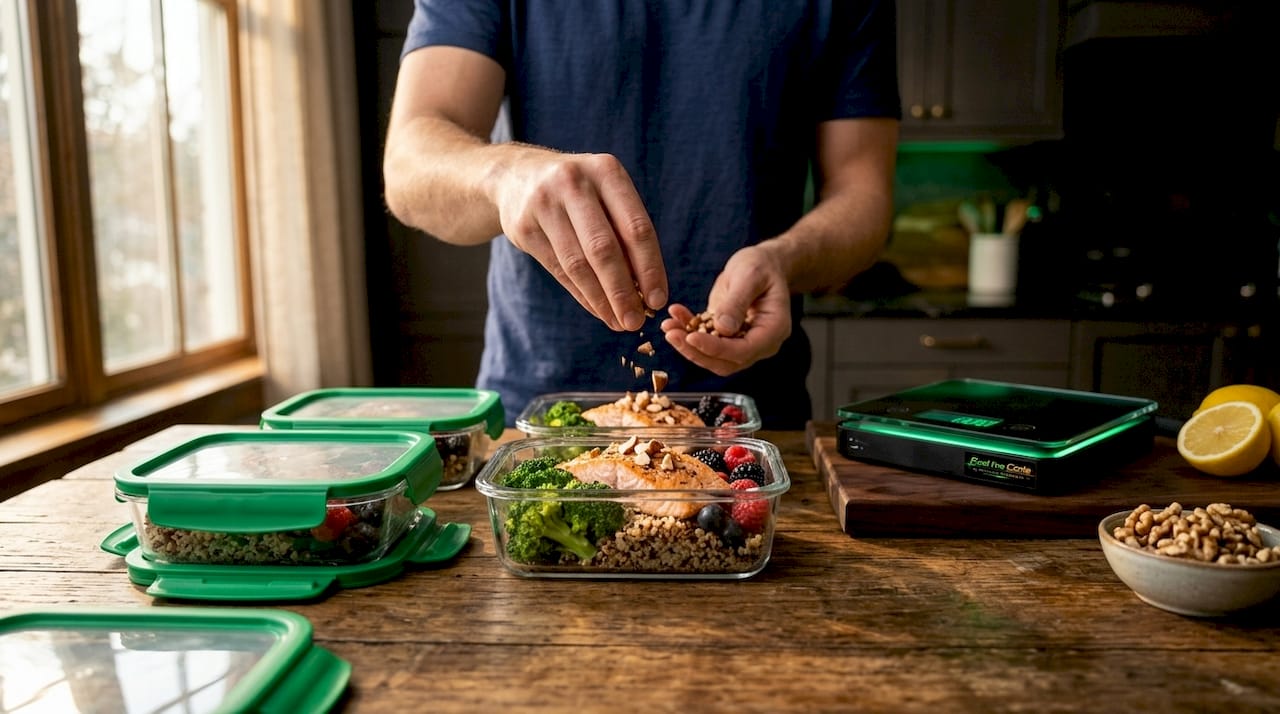
Effective meal planning aligned with the 2026 dietary guide starts with structure, not willpower. The most reliable approach is a weekly template: designate two to three hours on Sunday to batch-cook proteins, roast vegetables, and prepare whole grains. This reduces daily decision fatigue and keeps minimally processed foods accessible when time is short. Your healthy meal planning checklist should include at least five distinct vegetable colors per week, two to three fatty fish servings, and a legume source on at least four days.
The table below gives you a practical reference for nutrient-dense foods organized by category.
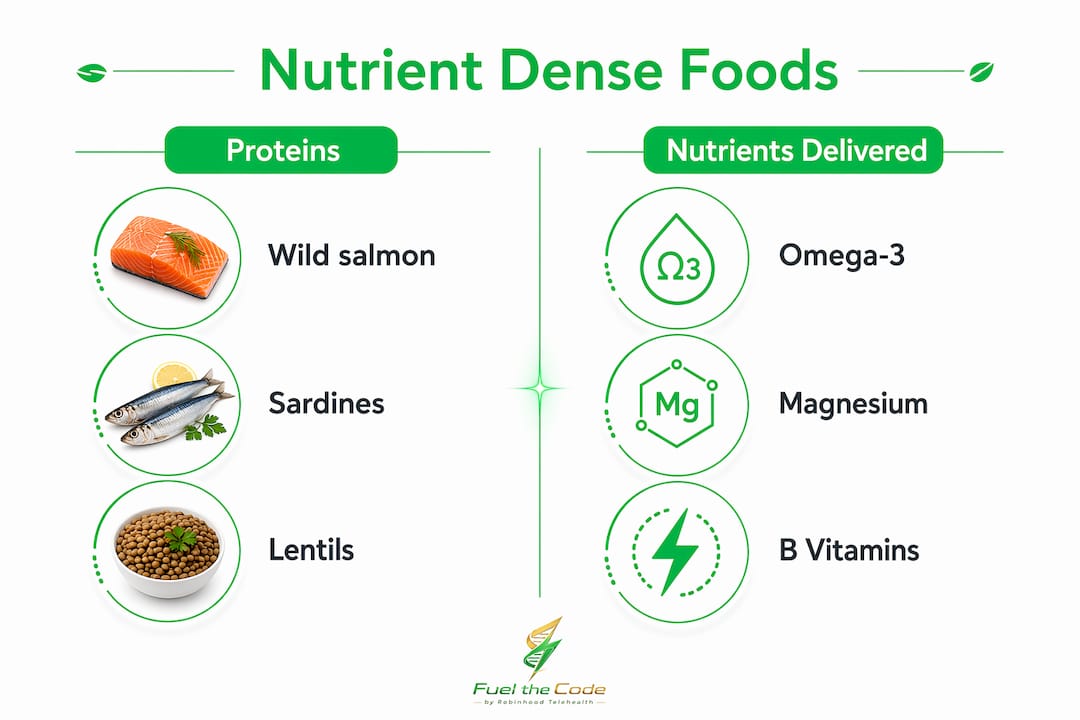
| Category | Top choices | Key nutrients delivered |
|---|---|---|
| Proteins | Wild salmon, sardines, lentils, tempeh | Omega-3s, B12, iron, complete amino acids |
| Vegetables | Spinach, broccoli, beets, bell peppers | Folate, magnesium, nitrates, vitamin C |
| Whole grains | Oats, quinoa, farro, brown rice | Fiber, B vitamins, slow-release carbohydrates |
| Fats | Avocado, walnuts, extra-virgin olive oil | Monounsaturated fats, polyphenols, vitamin E |
| Fruits | Blueberries, pomegranate, kiwi, citrus | Antioxidants, polyphenols, vitamin C |
Choosing minimally processed over ultraprocessed foods is the single highest-leverage decision in your daily nutrition. Upstream food choice drives multiple nutrient outcomes simultaneously, which means swapping packaged snacks for whole food alternatives controls sodium, added sugars, and refined carbohydrates in one move. For time-constrained individuals, pre-washed salad kits, frozen vegetables, canned wild fish, and pre-cooked lentils are all minimally processed and require zero preparation time.
Here are the top practical nutrition tips for 2026 implementation:
- Replace one ultraprocessed snack per day with a whole food alternative for the first two weeks before making larger changes.
- Use color diversity as a proxy for micronutrient variety. A plate with five distinct colors reliably delivers a broad antioxidant and polyphenol spectrum.
- Limit added sugars to under 25 grams per day for women and 36 grams for men, per AHA guidance, by reading ingredient labels on sauces, dressings, and yogurts.
- Leverage a personalized meal planning app to generate grocery lists aligned with your protein targets and dietary preferences.
- Address palate resistance by introducing one new whole food per week rather than overhauling your diet simultaneously.
Pro Tip: Batch-cook a large pot of farro or quinoa every Sunday. It takes 25 minutes and serves as the base for five different meals across the week, from grain bowls to soups to breakfast porridge. This single habit eliminates the "I don't have time to eat well" barrier for most people.
How do long-term dietary patterns impact healthy aging and cognitive resilience?
A Nature Medicine study on optimal dietary patterns found that adults in the highest quintile of adherence to the Alternative Healthy Eating Index had 1.86 times higher odds of healthy aging compared to the lowest quintile. At age 75, that odds ratio climbed to 2.24. Higher fruit, vegetable, and whole grain intake drove the positive association, while processed meat and sodium intake reduced the odds. This is not a marginal effect. It is a near-doubling of the probability of reaching older age with intact physical, cognitive, and mental function.
"Sustained diet quality over decades is more predictive of healthy aging outcomes than short-term nutrition fixes." — Nature Medicine, 2025
The cognitive dimension is equally striking. Omega-3 and magnesium intake were significantly linked to greater improvements in MoCA cognitive scores and reduced perceived stress in structured functional nutrition trials. MoCA, the Montreal Cognitive Assessment, is a validated clinical tool. Seeing it move meaningfully through dietary intervention confirms that the brain responds to nutritional inputs on a timeline of weeks, not years.
Ultraprocessed foods sit at the opposite end of this spectrum. Higher ultraprocessed food consumption is associated with 32% lower odds of healthy aging across cognitive, physical, and mental function domains. The mechanism involves chronic low-grade inflammation, microbiome disruption, and displacement of nutrient-dense foods from the diet. The practical takeaway is that reducing ultraprocessed food frequency matters as much as increasing whole food intake.
The key principle underlying all of this evidence is that no single superfood or supplement replicates the cumulative effect of a consistently high-quality dietary pattern maintained over years. Short-term cleanses and elimination protocols generate temporary results. Decades of adherence to a Mediterranean-style or AHEI-aligned diet generate the outcomes measured in the Nature Medicine data. Your 2026 nutritional wellness guide is not a 30-day program. It is a permanent operating system for how you eat.
Key takeaways
Nutrition optimization in 2026 requires a holistic dietary pattern built on whole foods, adequate protein, targeted functional nutrients, and decades of consistent adherence to produce measurable gains in performance, cognitive resilience, and healthy aging.
| Point | Details |
|---|---|
| Pattern over nutrients | AHA and CDC both prioritize holistic dietary patterns over single-nutrient tracking for lasting health outcomes. |
| Updated protein targets | Adults need 1.2 to 1.6 g/kg/day in 2026, with adjustments for BMI over 30 and higher targets for weight loss. |
| Functional nutrients matter | Omega-3s, magnesium, B vitamins, and polyphenols produce clinically meaningful cognitive improvements within 8 weeks. |
| Ultraprocessed foods reduce aging odds | Higher ultraprocessed food intake is linked to 32% lower odds of healthy aging across physical and cognitive domains. |
| Consistency beats intensity | Sustained diet quality over decades predicts healthy aging outcomes far more reliably than short-term interventions. |
Why I think most people are optimizing the wrong thing
Most health-conscious people I work with arrive focused on a single variable: protein grams, carb ratios, or the latest supplement stack. The 2026 research makes it clear that this is the wrong unit of analysis. The Nature Medicine data does not show that people who hit a precise protein target age better. It shows that people who consistently eat more fruits, vegetables, and whole grains while limiting processed meat and sodium arrive at 75 in dramatically better shape.
The genetic and epigenetic testing tools available through platforms like Robinhoodtelehealth are genuinely useful, but only when layered onto a solid dietary foundation. DNA-based insights about methylation, omega-3 metabolism, or carbohydrate sensitivity sharpen your approach. They do not replace it. I have seen people invest in precision testing and then continue eating 60% ultraprocessed foods because the test results felt like permission to optimize around a bad diet.
The mindset shift that actually produces results is treating your dietary pattern as infrastructure, not as a performance variable you tune weekly. You would not rebuild your home's foundation every month. You build it once, correctly, and then make targeted improvements over time. The personalized nutrition benefits become real only when the foundation is whole foods, adequate protein, and functional nutrients consumed consistently. Everything else is refinement.
The uncomfortable truth is that the most powerful nutrition intervention available in 2026 is also the least exciting one: eat mostly whole, minimally processed foods, hit your updated protein targets, and do it for decades. The science is not ambiguous on this point.
— G
Take your 2026 nutrition plan to the next level with Robinhoodtelehealth
Robinhoodtelehealth combines the evidence-based principles covered in this guide with precision tools that remove the guesswork from personalization. If you want to know exactly how your DNA influences your response to protein, omega-3s, or carbohydrates, the DNA performance profile at Robinhoodtelehealth delivers a genetic fitness analysis built for performance and longevity optimization.
For those ready to act on epigenetic age data, the at-home methylation kit measures biological aging markers that dietary patterns directly influence. Pair either test with Robinhoodtelehealth's AI-driven meal planning platform to translate your results into a grocery list and weekly meal structure aligned with the 2026 dietary guidelines. Explore the full suite of precision wellness services at the Robinhoodtelehealth shop to find the right starting point for your goals.
FAQ
What is nutrition optimization and why does it matter in 2026?
Nutrition optimization is the practice of structuring your dietary pattern to maximize cardiovascular health, cognitive function, and healthy aging through evidence-based food choices. In 2026, updated guidance from the American Heart Association and new research in Nature Medicine make this approach more precise and actionable than ever before.
How much protein do adults need according to 2026 guidelines?
The 2026 U.S. Dietary Guidelines recommend 1.2 to 1.6 g of protein per kilogram of body weight per day for adults, up from the prior 0.8 g/kg/day standard. Individuals with a BMI over 30 should use adjusted body weight for their calculations, per Stanford Medical News guidance.
Which dietary pattern is most linked to healthy aging?
The Alternative Healthy Eating Index pattern, which emphasizes fruits, vegetables, whole grains, and healthy proteins while limiting processed meat and sodium, is associated with nearly double the odds of healthy aging compared to low-adherence diets, according to the Nature Medicine study.
Can nutrition improve cognitive performance?
Yes. An 8-week functional nutrition protocol enriched with omega-3s, magnesium, B vitamins, antioxidants, and polyphenols produced moderate-to-large improvements in cognitive measures with effect sizes between Cohen's d 0.68 and 0.82, demonstrating that brain function responds meaningfully to targeted dietary intervention.
How do ultraprocessed foods affect long-term health?
Higher ultraprocessed food consumption is associated with 32% lower odds of healthy aging across cognitive, physical, and mental health domains. Reducing ultraprocessed food frequency is one of the highest-impact changes you can make within any effective meal planning 2026 strategy.