
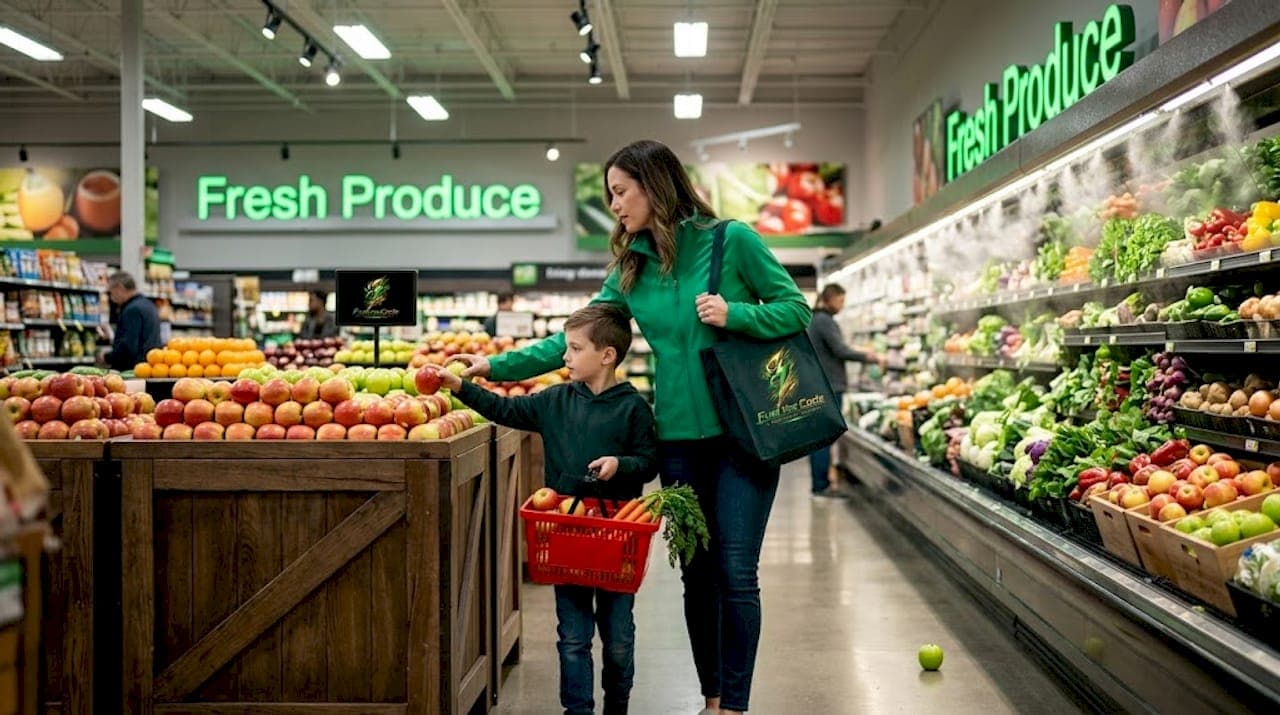
Standing in the cereal aisle with a seven-year-old tugging at your sleeve is not the ideal moment to evaluate nutrition labels. Yet that exact scenario plays out for millions of parents every week, and the choices made in those few seconds ripple into long-term health outcomes. Research consistently links early dietary patterns to cognitive performance, healthy weight, and lifelong eating habits. This guide cuts through the noise with a clear framework, a category-by-category grocery list, label-reading shortcuts, and budget strategies so you can shop with confidence, not guesswork.
Table of Contents
- The foundation: What makes a grocery item "healthy" for kids?
- Healthy grocery list for kids: Items by key category
- Comparing healthy vs. less healthy options: Make it easy in-store
- Smart shopping strategies: Budget, planning, and picky eaters
- What most lists miss: Turning grocery shopping into nutrition education
- Take the first step with expert support
- Frequently asked questions
Key Takeaways
| Point | Details |
|---|---|
| Balance is key | Combine fruits, vegetables, whole grains, proteins, and dairy at every shop to build lasting healthy habits. |
| Variety matters | Offer different colors, shapes, and textures to encourage curiosity and wider acceptance of healthy foods. |
| Watch ultra-processed foods | Limit snacks high in added sugar, salt, and fat to support your child's wellness and focus. |
| Plan and involve kids | Meal planning, shopping lists, and kid involvement improve nutrition and reduce food waste. |
| Budget-friendly options exist | Purchasing in-season and bulk staples keeps healthy eating affordable for every family. |
The foundation: What makes a grocery item "healthy" for kids?
Before you write a single item on your list, you need a decision filter. Without one, every colorful package with a cartoon mascot looks like a reasonable choice. With one, the decision takes about three seconds.
Three quick criteria to apply to any item:
- Whole or minimally processed. The shorter the ingredient list, the better. An apple is one ingredient. Apple-flavored fruit snacks can have 20.
- Low added sugar and sodium. The American Heart Association recommends children ages 2 to 18 consume less than 25 grams of added sugar per day. Many single-serve snack packs blow past that in one sitting.
- Nutrient density. Does this item deliver vitamins, minerals, fiber, or protein relative to its calories? If the answer is mostly "no," it belongs in the WHOA category (more on that below).
The perimeter strategy
Most grocery stores are laid out the same way. Fresh produce, dairy, meat, and seafood line the outer walls. The inner aisles hold shelf-stable, heavily packaged products. Shopping the perimeter first fills your cart with fresh produce, lean proteins, whole grains, and low-fat dairy before you even consider the center aisles. This single habit reduces impulse buys and naturally steers you toward nutrient-dense options.
The GO, SLOW, WHOA framework
Developed by the National Heart, Lung, and Blood Institute, this framework gives kids a language for food choices they can actually use. GO foods (fruits, vegetables, whole grains, lean proteins) can be eaten anytime. SLOW foods (lower-fat dairy, some whole-grain crackers, 100% fruit juice) are fine in smaller amounts. WHOA foods (chips, cookies, sugary drinks, fast food) are for rare occasions. Teaching this at the store, not just at the dinner table, makes it stick.
"The goal isn't a perfect cart. It's a cart that trends toward GO, with room for the occasional SLOW and very few WHOAs."
Pro Tip: Hand your child a small basket and let them pick two fruits or vegetables of their choice each trip. This simple act builds ownership and dramatically increases the chance they will actually eat what they chose.
Healthy grocery list for kids: Items by key category
Now that you have the framework, here is a practical, category-by-category list you can adapt to your family's preferences and budget.
Fruits and vegetables
- Fresh: apples, bananas, berries, grapes, oranges, baby carrots, broccoli, cucumber, bell peppers, cherry tomatoes
- Frozen: peas, corn, edamame, mixed berries, mango chunks (no added sugar)
- Canned: diced tomatoes, chickpeas, peaches in juice (not syrup)
Frozen and canned options are nutritionally comparable to fresh and often cost less. The key is reading the label: no added salt for vegetables, no added sugar for fruits.
Proteins
- Eggs (one of the most affordable, complete proteins available)
- Canned salmon or tuna (packed in water)
- Skinless chicken breast or thighs
- Beans and lentils (dried or canned, low-sodium)
- Unsalted nuts and natural nut butters
- Tofu or tempeh for plant-based families
Whole grains
- 100% whole-grain bread (first ingredient: whole wheat flour)
- Old-fashioned oats (not instant flavored packets)
- Brown rice or quinoa
- Whole-grain pasta
- Plain popcorn (a genuinely great snack)
Dairy and dairy alternatives
- Low-fat or whole milk (whole milk is appropriate for children under 2)
- Plain Greek yogurt (add fruit yourself to control sugar)
- Natural cheese in modest portions (cheddar, mozzarella, string cheese)
- Fortified soy milk for dairy-free families
Quick snacks kids will actually eat
Apple slices with peanut butter, Greek yogurt with berries, carrot sticks with hummus, and a handful of nuts with dried fruit are all fast, balanced options that travel well in a lunchbox.
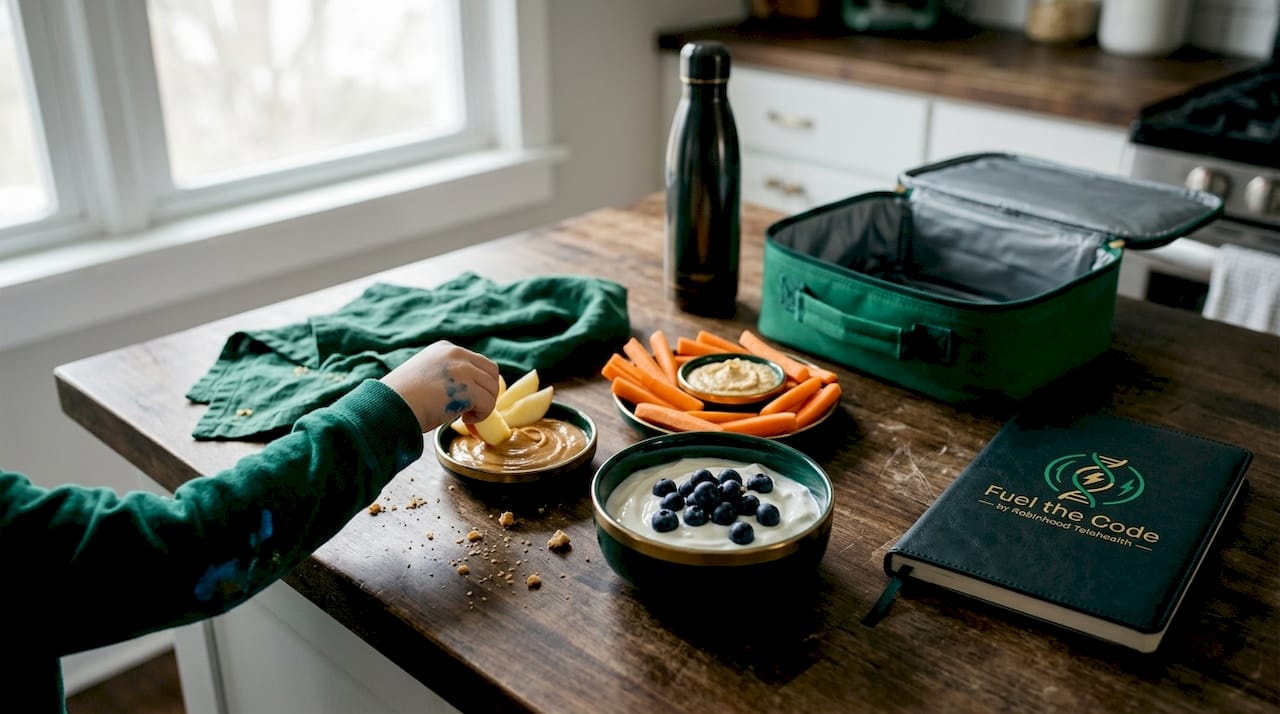
Sample daily quantities for children ages 4 to 8
MyPlate guidelines recommend building every meal around these five food groups. Here is a practical daily reference:
| Food group | Daily target (ages 4 to 8) | Example serving |
|---|---|---|
| Fruits | 1 to 1.5 cups | 1 small apple or 1/2 cup berries |
| Vegetables | 1.5 cups | 1/2 cup cooked broccoli + salad |
| Grains | 4 to 5 oz equivalents | 1 slice whole-grain bread = 1 oz |
| Protein foods | 3 to 4 oz equivalents | 1 egg or 1/4 cup beans = 1 oz |
| Dairy | 2.5 cups | 1 cup milk or 6 oz yogurt |
Pro Tip: Batch-prep snacks on Sunday. Portion carrot sticks, wash grapes, and pre-portion yogurt cups so grab-and-go during the week is always the healthy choice.
Comparing healthy vs. less healthy options: Make it easy in-store
Even with a solid list, the store is designed to pull you off course. Endcap displays, "family size" deals on ultra-processed snacks, and eye-level product placement all work against you. Here is how to stay on track.
Quick comparison: Better choices vs. common pitfalls
| Category | Better choice | Common pitfall |
|---|---|---|
| Breakfast cereal | Plain oats or bran flakes | Frosted cereals (10+ g sugar/serving) |
| Snack bar | Larabar or RxBar (few ingredients) | Granola bars with chocolate coating |
| Drinks | Water, plain milk, 100% OJ (4 oz) | Juice drinks, sports drinks, flavored milk |
| Crackers | Whole-grain crackers, plain rice cakes | Cheese crackers with artificial flavors |
| Yogurt | Plain Greek yogurt | Flavored yogurt cups (20+ g sugar) |
| Frozen meals | Frozen veggie stir-fry + rice | Frozen pizza rolls or nugget meals |
Why ultra-processed foods are a bigger problem than most parents realize
Up to 59% of calories in school-age children come from ultra-processed foods (UPFs), and this dietary pattern is directly linked to obesity and cardiometabolic risks including elevated blood pressure and insulin resistance in children. That statistic is worth sitting with. More than half of what the average child eats every day is heavily engineered food with minimal nutritional value.
How to read a label in under 60 seconds
Use the USDA Nutrition Facts Label as your guide. Focus on these four numbers:
- Added sugars: Aim for less than 5 grams per serving for snacks
- Sodium: Under 200 mg per serving is a reasonable target for kids
- Fiber: 2 grams or more per serving is a good sign
- Ingredients list: If you cannot pronounce most of them, put it back
Simple swaps for lunchbox favorites
Instead of fruit snacks, try freeze-dried fruit (same sweetness, real nutrition). Instead of flavored chips, try plain popcorn with a sprinkle of nutritional yeast. Instead of a juice box, try a small reusable bottle of water with a slice of citrus. These are not deprivations. They are upgrades that most kids accept easily when introduced gradually.
Smart shopping strategies: Budget, planning, and picky eaters
Healthy grocery shopping is not just about what goes in the cart. It is about the systems that get you to the store prepared, focused, and within budget.
Start with a meal plan
Meal planning, sales flyers, and shopping lists are the most effective tools for reducing food waste and cutting costs. Spend 20 minutes on Sunday mapping out five dinners, five lunches, and a snack rotation. Then build your grocery list from that plan. You will buy less, waste less, and spend less.
Budget-friendly tactics that actually work
- Check store flyers before you plan meals, not after. Build the week around what is on sale.
- Compare unit prices (price per ounce), not package prices. Bigger is not always cheaper.
- Buy dried beans, lentils, and oats in bulk. These are among the most nutrient-dense, affordable foods available.
- Choose frozen vegetables over fresh when fresh is out of season. Frozen produce is picked at peak ripeness and flash-frozen, preserving nutrients well.
- Buy whole chickens or bone-in thighs instead of boneless breasts. The cost per serving drops significantly.
Handling picky eaters without a power struggle
Repeated exposure is the evidence-based answer. Offer new foods alongside familiar ones without pressure. Research shows children may need to encounter a new food 10 to 15 times before accepting it. The grocery store is actually a great place to start this process: let your child smell, touch, and choose a new vegetable. That curiosity at the store often translates to curiosity at the table.
"Division of responsibility works: you decide what is offered, your child decides how much they eat. Pressure backfires every time."
Allergies and special diets
If your child has a diagnosed allergy, the top nine allergens (milk, eggs, fish, shellfish, tree nuts, peanuts, wheat, soybeans, sesame) must appear clearly on labels by law. When managing multiple allergies, lean on whole, single-ingredient foods as your base. Beans, rice, oats, fruits, and vegetables are naturally free of most common allergens.
Low-income families and assistance programs
WIC (Women, Infants, and Children) and SNAP (Supplemental Nutrition Assistance Program) both support healthy food purchases. WIC specifically covers fruits, vegetables, whole grains, dairy, and protein foods. If your family qualifies, these programs significantly expand access to the foods on this list without budget strain.
Pro Tip: Keep a running grocery list on your phone throughout the week. When you use the last of something, add it immediately. This eliminates the "I thought we had that" trips back to the store.
What most lists miss: Turning grocery shopping into nutrition education
Here is an opinion that might surprise you: the most valuable thing about a healthy grocery trip is not the food you bring home. It is what your child learns while you are there.
Most nutrition advice treats grocery shopping as a logistics problem. Get the right items, avoid the wrong ones, stay on budget. That framing misses something huge. The grocery store is one of the richest, most practical classrooms available to parents. Every trip is a live lesson in food literacy, decision-making, and self-care.
When you involve kids in shopping and food prep, research shows they develop more positive attitudes toward healthy foods and are more likely to try new things. But the benefit goes beyond what ends up on their plate. Children who learn to read labels at age seven have a cognitive framework for evaluating food choices at age seventeen and beyond. That is a skill no school curriculum reliably teaches.
We think the "rainbow challenge" is one of the most underrated tools a parent has. Challenge your child to find one food of each color every trip. Red bell pepper, orange sweet potato, yellow banana, green broccoli, blue blueberries. This turns produce shopping into a game, introduces variety naturally, and builds the habit of reaching for color (which almost always means reaching for nutrients).
Letting kids choose between two healthy options, rather than choosing for them, builds autonomy without sacrificing nutrition. "Do you want broccoli or green beans tonight?" Both are wins. The child feels heard. The parent gets a vegetable on the plate. That is a sustainable dynamic.
Modeling matters more than most parents realize. When your child watches you compare labels, choose the whole-grain option, or skip the candy aisle without drama, they absorb that as normal behavior. You do not need a lecture. You need a consistent example. A healthy grocery list is a tool. A healthy grocery mindset is the real goal.
Take the first step with expert support
Building a strong grocery routine is one of the best investments you can make in your child's long-term health. But sometimes you need more than a list.

Robinhood Telehealth connects your family with licensed health practitioners who can review your child's nutrition patterns, flag gaps, and offer science-backed guidance tailored to your family's specific needs. Whether you are managing a picky eater, navigating food allergies, or simply wanting a professional second opinion on your meal plan, the platform offers telehealth consultations designed to give you clarity and confidence. You do not have to figure this out alone. Expert support is one click away.
Frequently asked questions
How much fruit and vegetables should kids eat daily?
Children ages 4 to 8 should aim for 1.5 servings of fruit and approximately 4.5 servings of vegetables per day, along with adequate grains, dairy, and lean protein.
Are frozen and canned fruits and vegetables healthy for kids?
Yes. Fresh and frozen vegetables are nutritionally comparable, and canned options are fine as long as they contain no added sugar or salt. Always check the label.
What are quick healthy snacks for school lunches?
Apple slices with peanut butter, Greek yogurt with berries, and carrot sticks with hummus are all fast, balanced, and lunchbox-friendly options most kids enjoy.
How can parents shop healthy on a tight budget?
Meal planning and shopping lists reduce waste and impulse spending. Buying dried beans, oats, and frozen vegetables in bulk stretches your dollar without sacrificing nutrition.
Why limit processed foods for kids?
Unhealthy diets at age 2 are linked to lower cognitive performance by ages 6 to 7, and ultra-processed foods consumed regularly are associated with obesity and cardiometabolic risks in school-age children.